

If you’ve ever tried to lease up a property in a competitive market, you know it’s not about who has the nicest gym or the biggest pool. It’s about timing, visibility, and getting in front of the right renter at the exact moment they’re ready to decide.
A strong paid media strategy removes guesswork from your leasing funnel and fills your pipeline with real prospects.
While long-term tactics like SEO and organic content still matter, they don’t move the needle fast enough when you’ve got a timeline and a vacancy report breathing down your neck. If you’re serious about maximizing your marketing dollars, Google Ads for apartments and social media retargeting are two of the most effective tools to shorten your lease-up cycle, and they work even better together.
Why Paid Media Still Outperforms Slow Organic Tactics
Paid media does one thing exceptionally well: It brings qualified eyes to your listings now, not six months from now.
We’ve seen it happen time and again: Even when paid ads bring in fewer leads overall, they tend to convert better. One property group found that while non-ILS ads made up just a quarter of their total leads, they drove nearly half of their signed leases.
That’s because a paid media strategy lets you target renters who are already actively searching. They’re typing phrases like “studio apartments near downtown Raleigh” or “pet-friendly apartments with pool.” They’re motivated, they have intent, and they’re far more likely to convert.
In contrast, SEO is slow to build, and social media alone rarely reaches renters in the decision-making stage without ad support. You need both reach and recency. Paid media delivers both.
Google Ads for Apartments
Google is where renters go to search. When someone Googles “1-bedroom apartment near me,” they’re not looking for a lease.
-
Geo-Targeted Campaigns Reach Local Renters
With Google Ads, you can pinpoint your audience by zip code, radius, or even custom-drawn map boundaries. Pair that with the right keywords like “apartments near university with parking” or “move-in ready townhome [City Name],” and your ad spend becomes a tool for direct lead capture.
Want to go deeper? Layer in demographic targeting: commuters, pet owners, working professionals. Combine that with device targeting (mobile vs. desktop), and your message reaches renters in real time, on the go.
-
Maximize Budget With Smart PPC Targeting
The beauty of PPC campaigns for lease-up is flexibility. You control your spend, test headlines, swap in new promotions, and focus on what works.
But it’s not just about the ads. The landing page experience matters. Renters should land on a page with unit availability, a photo gallery, amenities, and a clear CTA. Avoid sending people to a generic homepage.
-
Measure and Optimize in Real Time
Google’s conversion tracking tools let you see exactly how each campaign performs. You can track form fills, phone calls, scheduled tours, and even leases signed if you’ve got the backend set up.
This isn’t a “set it and forget it” model. It’s a feedback loop. Watch what’s working, pause what’s not, and redirect your budget as trends shift.
Social Retargeting

Renters don’t usually lease on the first click. They need a few nudges. That’s why you need social media retargeting.
-
Meta Pixel Makes Retargeting Possible
Let’s say a prospect views your floor plans but doesn’t schedule a tour. With Meta Pixel installed, you can show them a new ad later that week, maybe featuring a video walkthrough or a limited-time special. Now you’re staying visible without being invasive.
This type of paid media strategy helps renters feel familiar with your brand, your team, and your community. Familiarity breeds trust, and trust drives conversion.
-
Match Messaging to the Funnel Stage
At the top of the funnel, your ads should highlight lifestyle, such as walkability, pet perks, and gym shots. Mid-funnel, you can feature amenities and pricing. At the bottom, make the ask: “Move in by the 1st and save $300.”
The trick is relevance. Don’t show general ads to people who’ve already clicked. Retargeting lets you customize messages based on what renters have already shown interest in.
Visual Content Converts Better Than Text
Studies show people remember 65% of visual info three days later, compared to just 10% of text. That means a photo of your rooftop lounge sticks. A 3D walkthrough of the unit makes a real impression. A testimonial video builds credibility.
If you want to fill apartment units faster, don’t just talk about them. Show them.
What a Strong Paid Media Strategy Looks Like in Practice
When you pair Google Ads with retargeting, you’re covering both intent and interest. One captures fresh leads while the other nurtures them.
The best campaigns:
- Use location and lifestyle-based targeting
- Create multiple ad sets for each audience segment
- Refresh creative every 2–4 weeks to avoid ad fatigue
- Highlight urgency: limited-time offers, low availability, seasonal deals
- Track ROMI because not every click is created equal
This is the foundation of strong multifamily advertising. And when it’s done right, it doesn’t just attract clicks—it closes leases.
Metrics to Track and KPIs That Matter
Measuring your results is how you scale.
Here’s what to watch:
- Cost-per-lead (CPL): Are you paying $12 per inquiry or $75?
- Conversion rates: From ad click to tour booked, from tour to lease signed
- Return on marketing spend (ROMI): For every $1 you spend, how much revenue comes back?
- Lead quality: Are inquiries converting? Or are they window shoppers?
Tracking this data lets you adjust mid-campaign. That’s what makes paid media agile. And it’s why it beats old-school digital marketing for property managers who still rely solely on flyers or Craigslist.
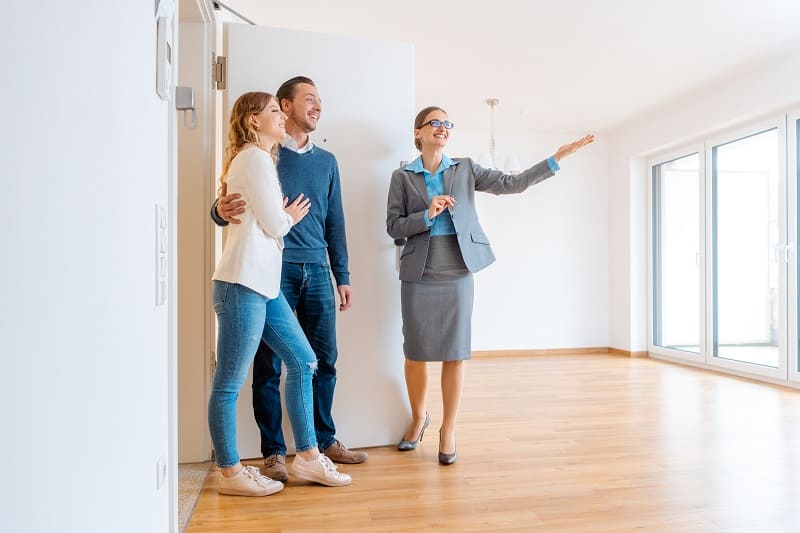
Let’s Build a Paid Media Strategy That Actually Fills Units
At Primary360, we specialize in creating data-backed campaigns that get real results for leasing teams. Whether you’re dealing with a new development or a slow-moving community, we’ll help you build a smarter paid media strategy that gets leases signed.
Call us at (469) 240-3913 to get started. Let’s make your next lease-up your fastest yet.
Frequently Asked Questions
Q: What’s the difference between paid media and organic apartment marketing?
A: Paid media gives immediate visibility and leads, while organic builds long-term brand presence. For lease-ups, paid media is usually essential for filling units quickly.
Q: How much should property managers spend on paid media campaigns?
A: Budgets vary, but a common benchmark is $250–$400 per unit during lease-up, adjusted by market competition.
Q: Which is better for apartments: Google Ads or social media retargeting?
A: Google Ads captures high-intent renters searching now, while retargeting nurtures renters who’ve already shown interest. They’re most effective when paired.